
Why Cracked Heels Are So Common in Pakistani Winters (and How to Treat Them)
Posted on 24 Aug 2026 by Salma Roshan
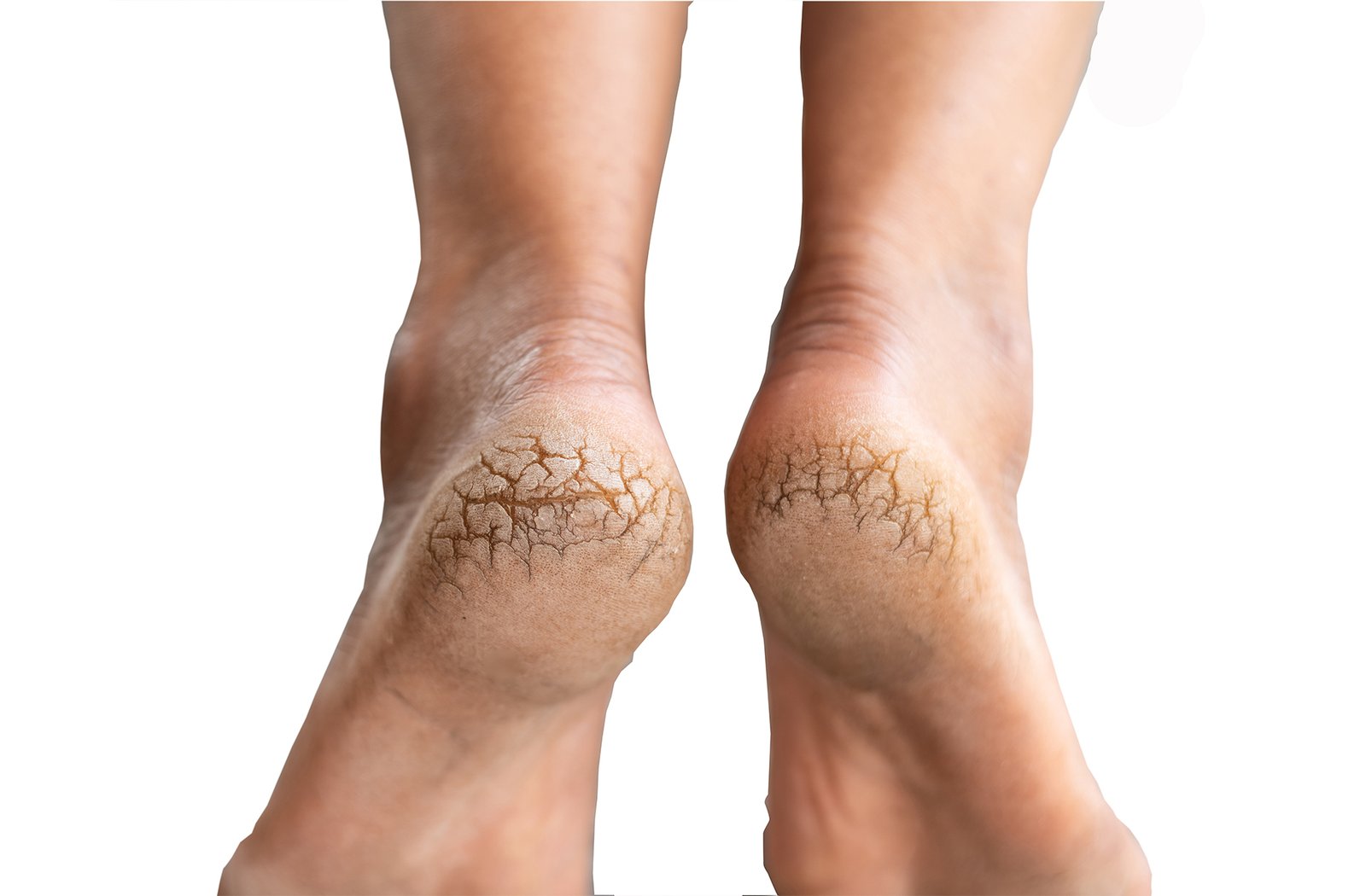
Every year, from late October through February, clinics across Pakistan see a sharp rise in patients with painful, cracked heels. From the dry mountain cold of Murree and Islamabad to the indoor dryness of air-conditioned offices in Karachi and Lahore, winter is hard on skin — and heels, which already carry your full body weight with every step, suffer the most.
Why heels crack more in winter
Cold air holds less moisture, and indoor heating dries the air further, pulling moisture out of your skin all day long. The skin on your heels is already thicker and has fewer oil glands than most of the body, so it dries out and hardens faster than anywhere else. Add daily use of open sandals or slippers, walking barefoot on cold tile or marble floors, and reduced water intake in winter (many people drink less water when it's cold), and you have the perfect combination for deep, painful fissures.
Mild dryness vs a real problem
Some seasonal dryness and light cracking is normal and can usually be managed at home. But when fissures become deep enough to bleed, sting when you walk, or show signs of infection (redness, warmth, discharge), home remedies are no longer enough and professional treatment is needed — especially for diabetic patients, for whom any open crack on the foot is a genuine medical concern, not just a cosmetic one.
A treatment routine that actually works
Step 1 — Soak: Soak feet in lukewarm water for 10–15 minutes to soften hardened skin. Step 2 — Gentle exfoliation: Use a foot file or pumice stone gently on damp skin — never a razor blade, which risks cuts that can become infected. Step 3 — Medicated moisturiser: Apply a proper medicated foot balm formulated for heel fissures and hard, dry, chapped skin immediately after drying your feet, while skin is still slightly damp, which helps lock in moisture. Step 4 — Cover overnight: Wearing clean cotton socks after moisturising at night significantly improves results by keeping the balm in contact with skin and protecting bedding. Step 5 — Repeat daily: Consistency matters more than any single treatment — daily care for two weeks will noticeably improve even quite deep fissures.
Why deep or repeated fissures need a professional
If your heels crack severely every single winter despite home care, the underlying hard skin (callus) build-up around the heel edge likely needs professional debridement — safe removal of thickened dead skin using sterile instruments — before moisturising can be fully effective. Trying to file away very thick, hardened skin at home is difficult to do safely and often leaves the job incomplete, which is why the cracking returns year after year.
What we do at Roshan's Foot Care
Our medicated pedicure service combines professional debridement of hardened heel skin with application of our own medicated foot balm, specifically formulated for heel fissures, hard skin, extra dry chapped feet, calluses and athlete's foot. For patients with recurring winter heel problems, we recommend a treatment every few weeks through the coldest months, alongside a simple daily home routine to maintain results between visits.
Prevention for next winter
Start moisturising before the cold weather fully sets in, rather than waiting until heels are already cracked. Choose closed-back shoes rather than open slippers for home wear once temperatures drop. Stay hydrated even when you don't feel thirsty in cold weather. And book a preventive medicated pedicure at the start of winter rather than waiting for pain to bring you in.
Book your heel treatment today: call 051-2287311 or WhatsApp 0333-5119317.